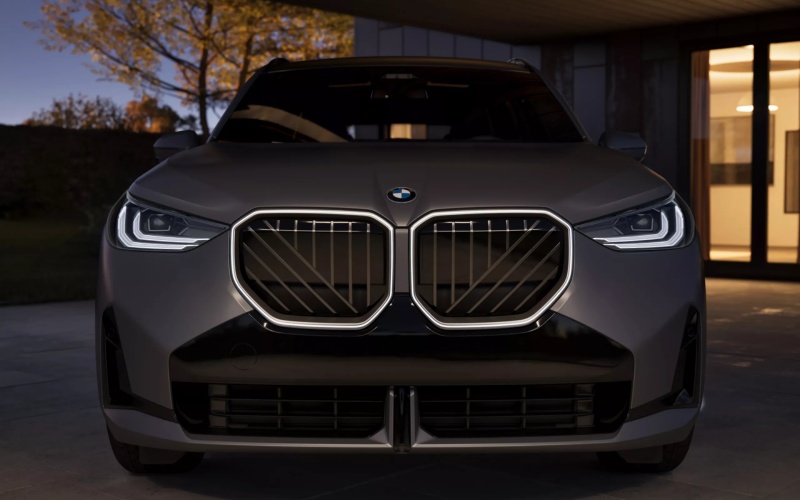
BMW of San Luis Obispo - Which SUV Feels More Composed on Highway 101—2026 BMW X3 or 2026 Mercedes-Benz GLC near Templeton, CA?
When shoppers ask which compact luxury SUV feels more composed on Highway 101—especially across the Cuesta Grade and those breezy coastal stretches—the conversation usually comes down to how the chassis, steering, and powertrain work together minute by minute. Both the 2026 BMW X3 and the 2026 Mercedes-Benz GLC pair turbocharged engines with 48V mild-hybrid tech and a long list of driver aids. But the way each SUV translates those ingredients into calm progress and confident passing can feel quite different once you settle into the driver’s seat and spend time on familiar routes.
Below, we break down how both SUVs handle the common scenarios that matter most to Central Coast drivers: on-ramp merges into fast-moving traffic, mid-corner stability on long sweepers, and relaxed cruising surrounded by the inevitable summer weekend flow. For added clarity, we call out what’s standard versus optional, and where the benefits are most noticeable in everyday life.
How each SUV manages grades, crosswinds, and changing traffic
The X3 starts you with a rear-biased xDrive all-wheel-drive system that sends power forward only as needed, which helps it rotate into corners naturally and stay settled during on-ramp merges. Combine that with available Dynamic Damper Control, and you get a chassis that calmly absorbs patchy pavement near Templeton while remaining buttoned-down at highway speeds. The GLC, when equipped with 4MATIC, offers confident traction and a plush ride; however, its steering and chassis tuning tend to prioritize isolation, which some drivers feel as a touch of detachment on longer curves or quick transitions when a lane suddenly opens.
On the power front, both models use 2.0-liter turbocharged engines with 48V assistance for smooth stop-starts and low-end fill. The X3’s transmission logic leans toward decisive downshifts and a linear throttle, especially in its SPORT My Mode, which helps it rise quickly to the grade without the hunting or hesitation you might notice in less assertive calibrations. The GLC 300’s 5.9-second 0-60 mph claim is quick, and the mild-hybrid add-on helps, but the overall mapping feels more relaxed. If you regularly weave between rolling traffic and open lanes between Santa Margarita and Atascadero, the X3’s eagerness to respond without drama is an advantage you feel mile after mile.
Where technology meaningfully reduces driver workload
Highway composure is also about the technology that fades into the background and lightens your mental load. The BMW Curved Display—14.9 inches for the central touchscreen alongside a 12.3-inch driver display—keeps key info large, legible, and at a glance. The BMW Interaction Bar brings backlit, capacitive climate and function controls to the dash, so routine adjustments don’t bury you in submenus. In the GLC, the portrait-style MBUX screen is crisp and customizable, and its routines feature can automate common actions; if you prefer a horizontal layout that spreads information more naturally across your field of view, the BMW’s approach feels calmer at speed.
Voice assistants are excellent in both SUVs. BMW Intelligent Personal Assistant executes navigation, climate, and media tasks when you speak naturally, while Mercedes-Benz’s latest MBUX assistant is similarly capable. For visibility and maneuvering during busy weekends, available Parking Assistant Plus in the X3 layers on clear surround views and helpful automated maneuvers. The GLC offers surround-view capability as well, but the BMW’s camera perspectives and graphic clarity tend to feel more intuitive to many drivers after just a few uses.
Ride comfort and stability on longer trips
Extended drives up Highway 101 or out to the coast should end with you feeling refreshed. Standard sport seats in the X3 support your upper body without pinching, and the available Sky Lounge Panoramic Moonroof with LED illumination makes the cabin feel airy for passengers in the back. The GLC’s standard heated power front seats are comfortable, and enhanced ambient lighting is available; yet the X3’s combination of seat contouring and low-glare, wide-format displays can help reduce the small strains that add up over hours behind the wheel.
For those who want an extra margin of performance for passing or merging uphill, the X3 M50 xDrive’s inline-six with 48V assistance brings refined, turbine-like thrust that’s easy to modulate. AMG versions of the GLC are powerful, but they pair high output with a more aggressive character that some daily drivers may not want for every commute. The point is not maximum speed; it is how predictably and effortlessly the SUV accelerates when the window opens to change lanes and keep your momentum.
How to decide what matters most on your route
If your daily loop includes the Cuesta Grade, a stretch of Highway 1, and round-town errands, look for an SUV that feels planted in crosswinds, unruffled by patchy surfaces, and responsive when traffic patterns shift suddenly. Schedule a back-to-back drive on the same route to sense the small differences: steering on-center feel, how the suspension settles after a quick correction, and whether the display layout calms or crowds your eyes at a glance.
- Steering and chassis balance: Prioritize rear-biased all-wheel drive and adaptive damping that settles the body quickly after bumps or inputs.
- Display ergonomics: Favor a wide, low-glare screen that spreads navigation and media info across your natural sightline.
- Powertrain calibration: Look for linear throttle response and decisive but smooth downshifts for grade climbs and highway merges.
Frequently Asked Questions:
Does the X3 offer standard all-wheel drive and how does it compare to the GLC?
Yes. The X3 30 xDrive includes standard xDrive, which is rear-biased for natural cornering feel and high-traction launches. The GLC 300 is rear-wheel drive standard, with 4MATIC available; once equipped, it provides confident grip, though its tuning emphasizes isolation over feedback.
Which feels more stable over the Cuesta Grade on windy days?
With rear-biased xDrive and available Dynamic Damper Control, the X3 maintains a settled stance and clear steering feedback. The GLC rides comfortably and tracks well, but the BMW’s steering and suspension calibration communicate more of what the tires are doing, which many drivers find reassuring on long grade climbs and descents.
How do the infotainment systems affect highway comfort?
The BMW Curved Display’s wide format and the Interaction Bar’s tactile shortcuts reduce menu-diving, which helps keep your eyes up and your hands relaxed. MBUX in the GLC is feature-rich with smart routines; drivers who prefer a horizontal layout typically find the BMW calmer at a glance.
For tailored guidance and a route-specific test drive, BMW of San Luis Obispo can set up back-to-back evaluations on your normal commute and weekend path. Our team, serving Santa Maria, Paso Robles, and Templeton, focuses on how each system fits your life so you can feel the differences that matter long after the first week of ownership.